Donor & funding partners
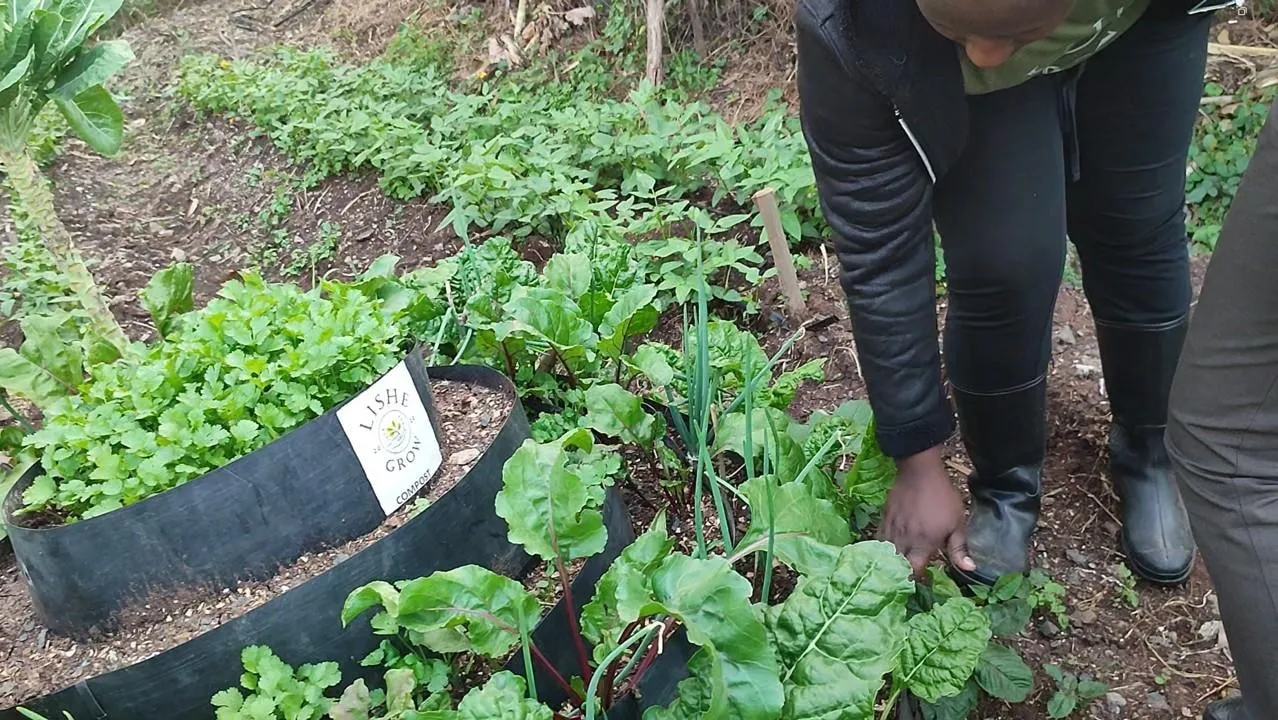
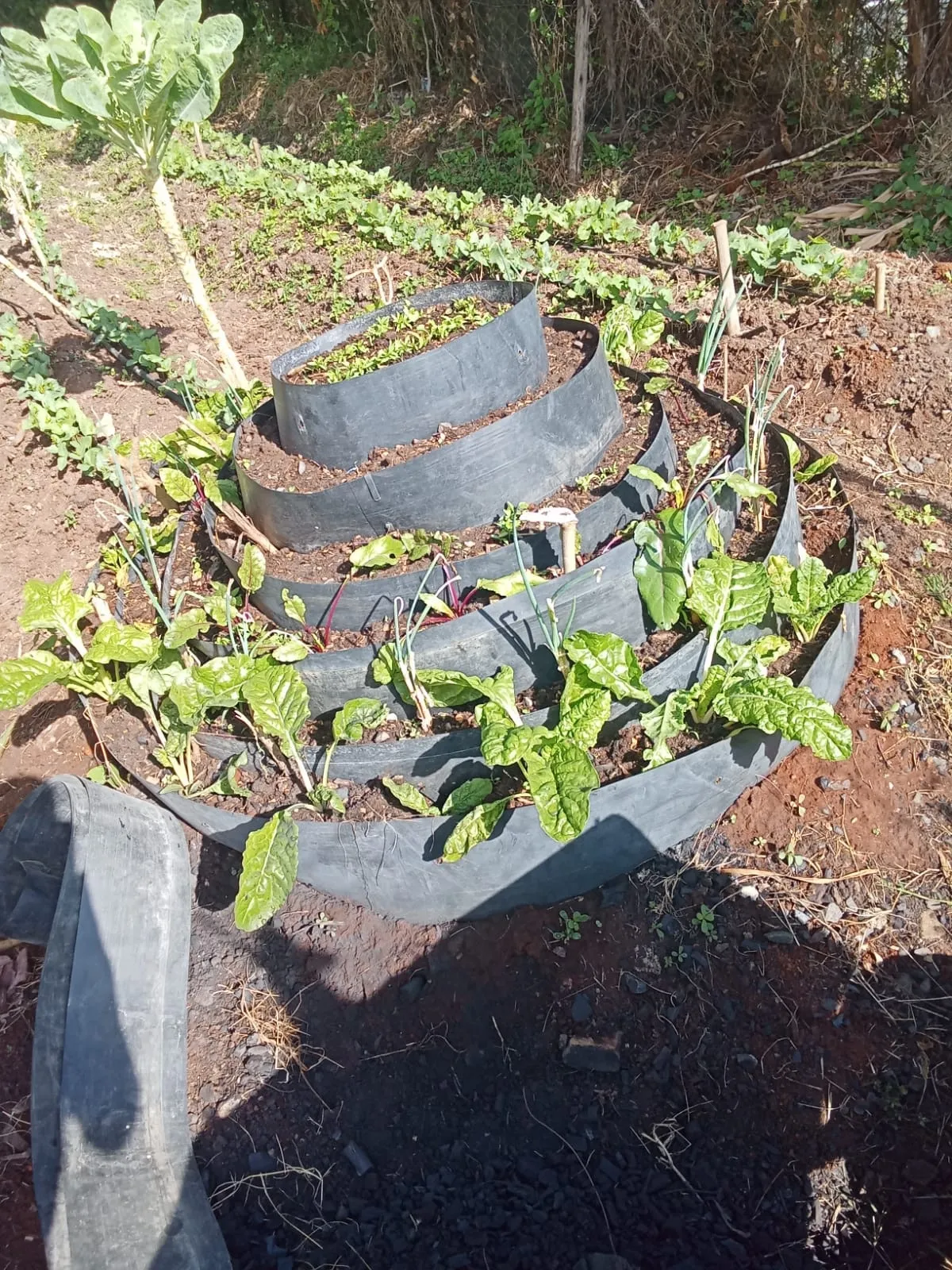
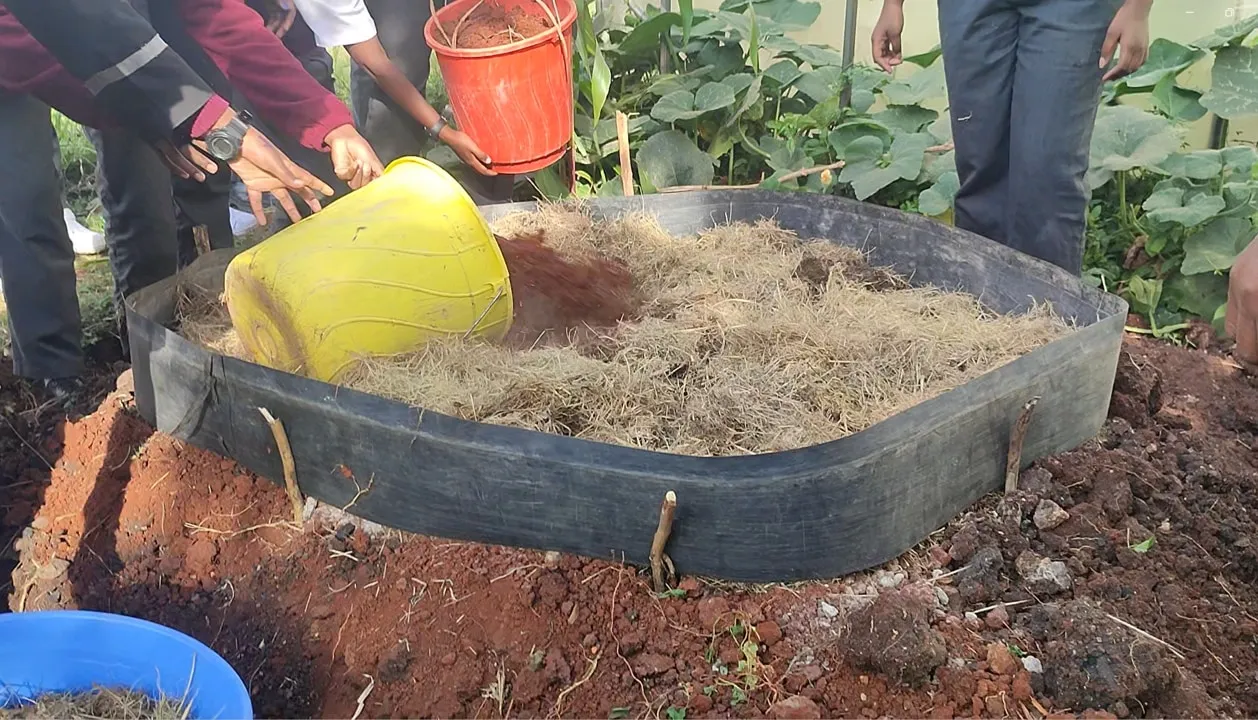
Foundations, NGOs, and institutions that fund composting hubs, gardens, and women's cohorts — and help turn a proven model into greater reach.
Start a conversation
Partnerships— join the work
Donor collaborations, exchange programs, expert practitioners, and model replication — there's a place for partners who want to advance zero waste, zero hunger, and resilient communities.
What partnership means
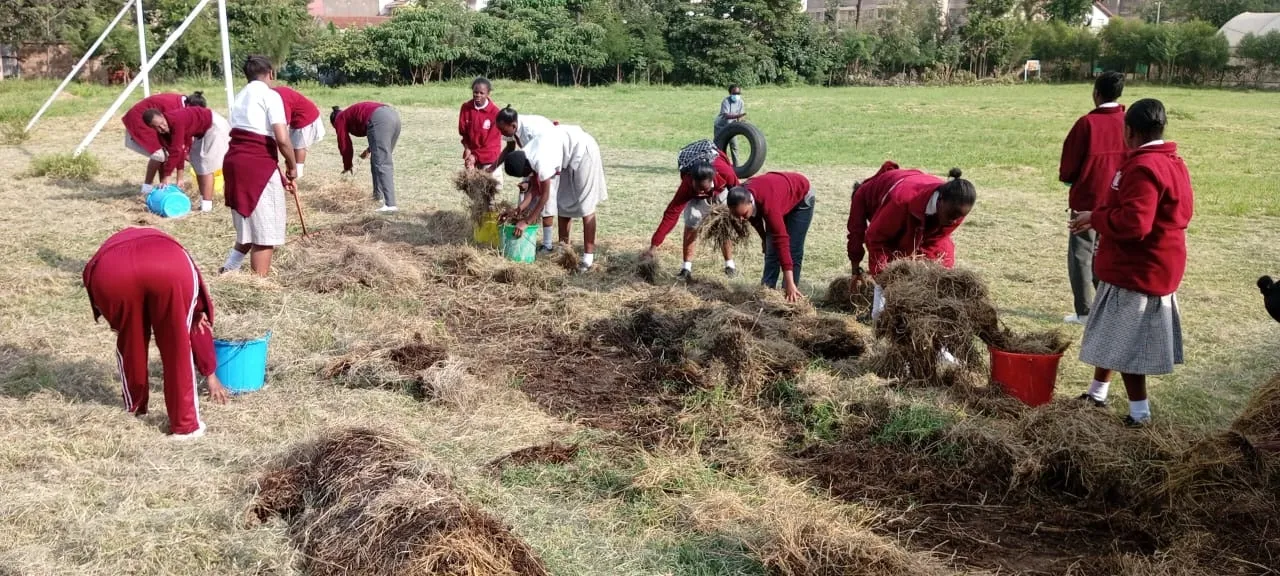
Over six years, the project has grown through partnership: organizations that fund the work, schools that host it, programs that adapt it elsewhere, and practitioners who bring expertise back in. Today the foundation works with 8+ strategic partners across Kenya and beyond.
Four ways in
Foundations, NGOs, and institutions that fund composting hubs, gardens, and women's cohorts — and help turn a proven model into greater reach.
Start a conversationStudent and practitioner exchanges — including a planned Kenya–USA environmental ambassadors program — that share learning in both directions.
Start a conversationAgronomists, educators, and circular-economy specialists who lend technical expertise to strengthen the work on the ground.
Start a conversationOrganizations adapting the loop in new contexts — including refugee-population programs and groups across the wider East African region.
Start a conversationHow it works
Tell us which pathway fits and what you'd like to explore. We read every message.
We talk through goals, scope, and where a partnership genuinely adds value to the work.
We agree how to work, then get going — with reporting that keeps partners close to the results.
Beyond partnership
A one-time or recurring gift funds the composting hubs, gardens, and cohorts directly.
DonateIntroduce us to a funder, a school, or a program that should know about the model.
Make an introductionFollow the project's progress and milestones through occasional email updates.
Get updatesReady when you are