 Lishe Grow
The Lishe Grow Project— since 2020
One loop, four kinds of work.
Composting, gardens, women's livelihoods, and partnerships — each one feeding the next, across Kibera and Kenyan counties.
The objective
Turn the organic waste a community throws away into the food and income that community needs — and keep the loop running after we leave.
The Lishe Grow Project is one connected system, not a set of separate programs. Waste becomes compost; compost feeds school and household gardens; gardens cut food costs and free household income; trained cohorts pass the skills to the next group. Each part only works because the others do.
How it works
One cohort becomes many.
The project is built to multiply. Knowledge moves from one trained group to the next, so a single season of work keeps growing long after it ends.
Train
A first cohort learns composting, climate-smart growing, and the basics of selling a surplus.
Grow
Hubs and gardens go in. Waste becomes compost; compost becomes food on the table.
Cascade
The first cohort trains the second. Skills pass person to person, not top-down.
Sustain
4K Clubs in schools keep the model alive across years and new groups of learners.
Goal 01
Turning waste into soil.
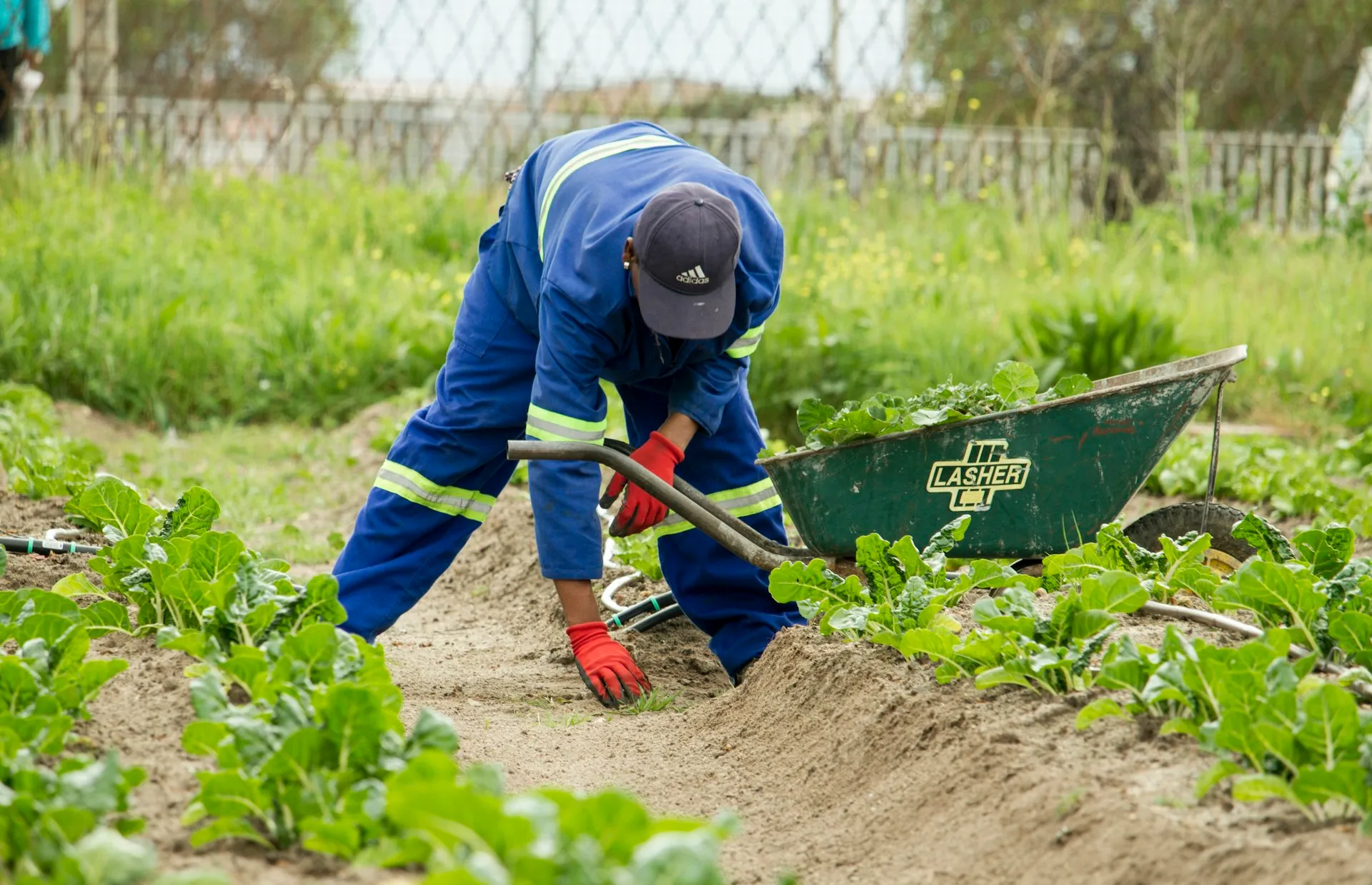
School and household composting hubs that turn organic waste into the compost every garden in the project runs on.
Organic waste is collected, composted (including vermicomposting), and returned to gardens as rich soil.
17+ tons of organic waste diverted from dumping since 2020, across community hubs in Kibera and partner schools.
Expanding composting into 10 new schools alongside the existing community hubs.
Goal 02
Food that lasts the season.
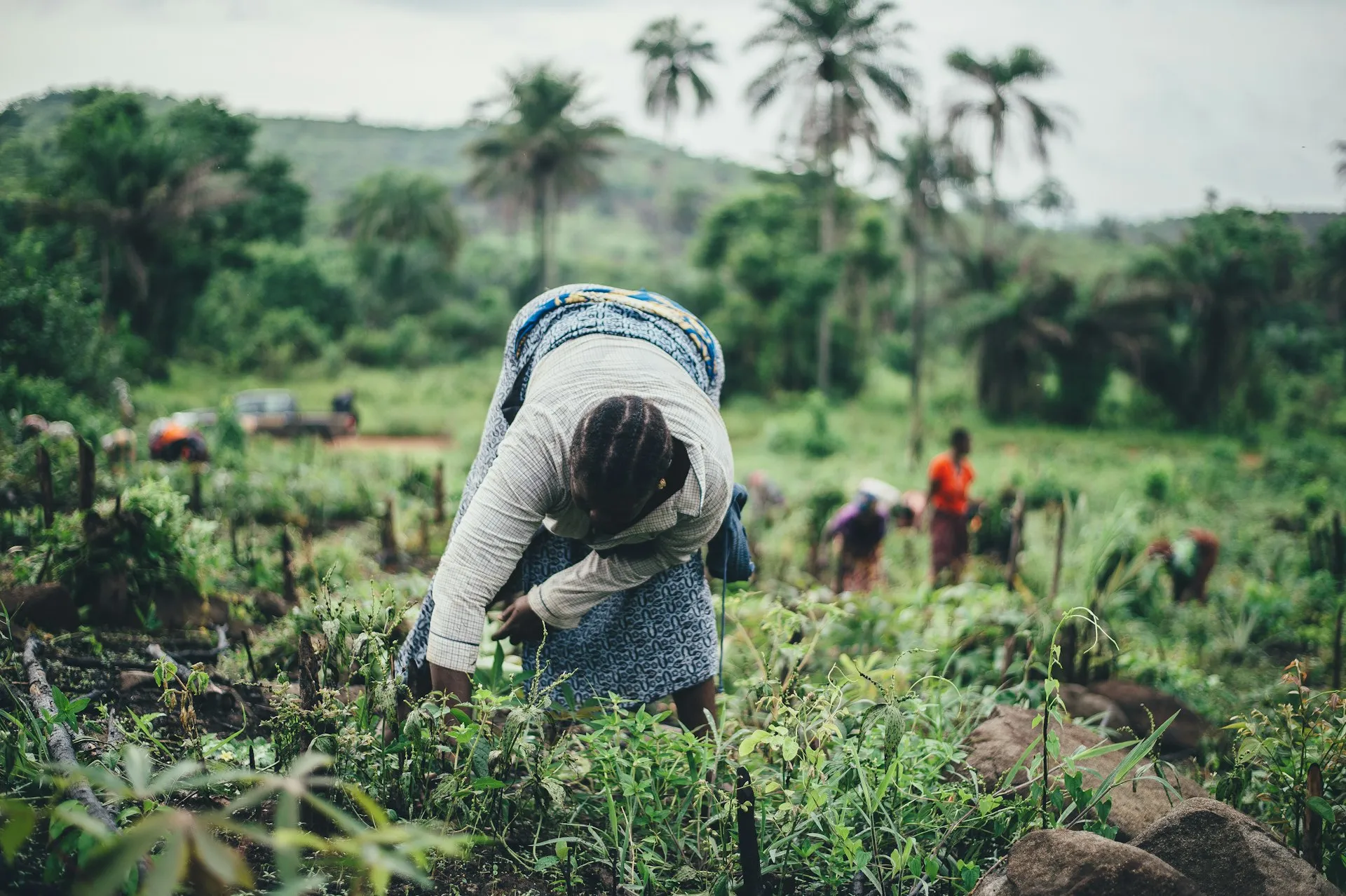
Climate-smart school and household gardens that keep producing through dry seasons — and rebuild soil once thought non-arable.
Traditional vegetables, spinach, kale, peppers, carrots, pumpkins, coriander, spring onions — plus sweet potatoes and sugarcane for flood management.
10,000+ kg of food harvested from school gardens, household plots, and a demo farm. One partner school now meets 70% of its daily vegetable needs from its own garden.
Partner schools across Nairobi and Kajiado, plus household gardens in Kibera.
Goal 03
Cohorts that teach cohorts.
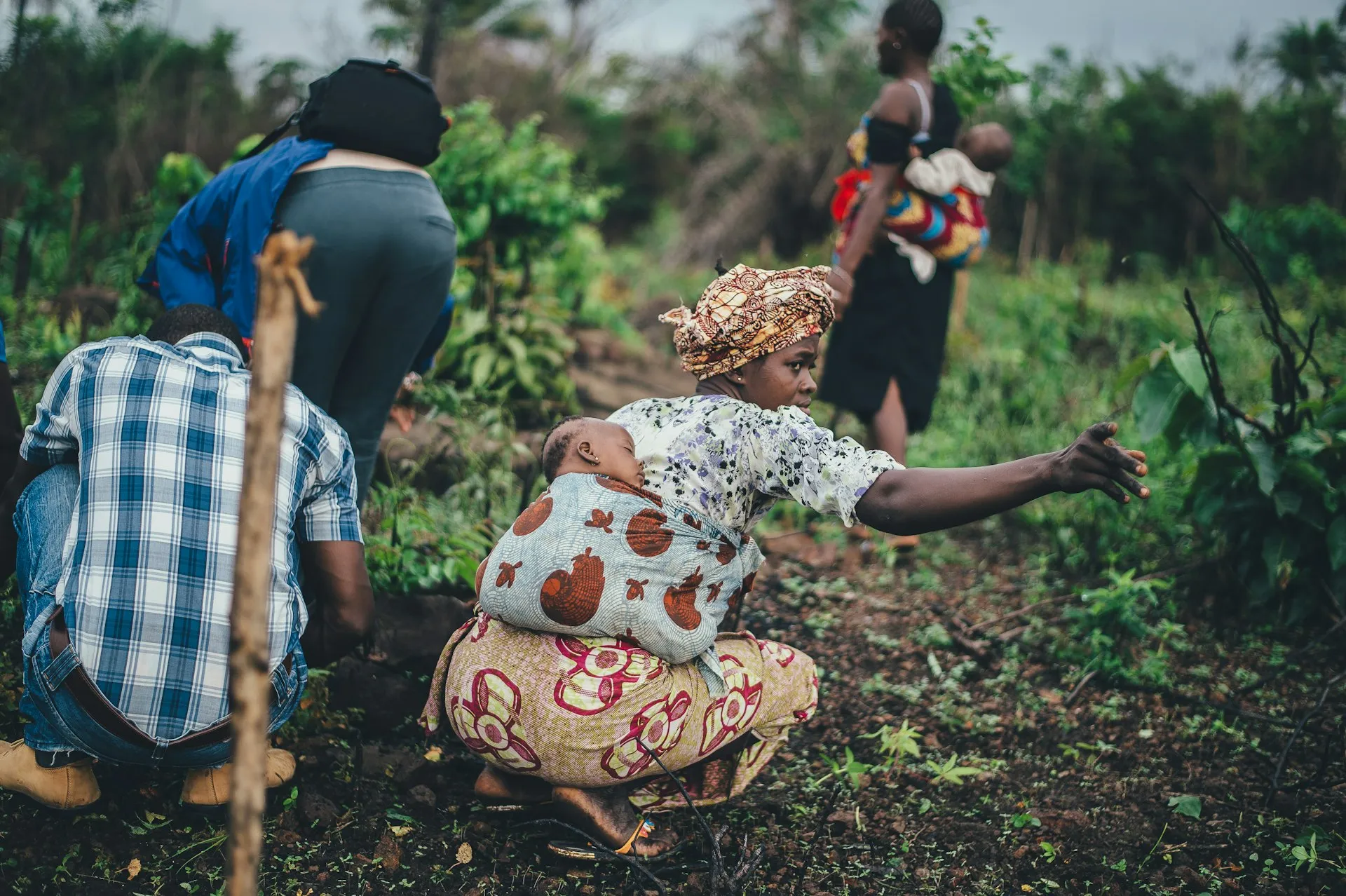
Women — many of them single mothers, and caregivers of children with albinism — trained in growing, composting, and the skills to build an income.
Organic farming, composting and vermicomposting, embroidery and tailoring, soap making, financial literacy, and group saving.
100+ women trained and supported. Group savings funds have launched retail shops, tailoring businesses, and paid school fees.
Each cohort trains the next — so the skills, and the income, keep multiplying.
Goal 04
The work travels further.
Partnerships that carry the model beyond Kenya — and bring expertise, funding, and exchange back in.
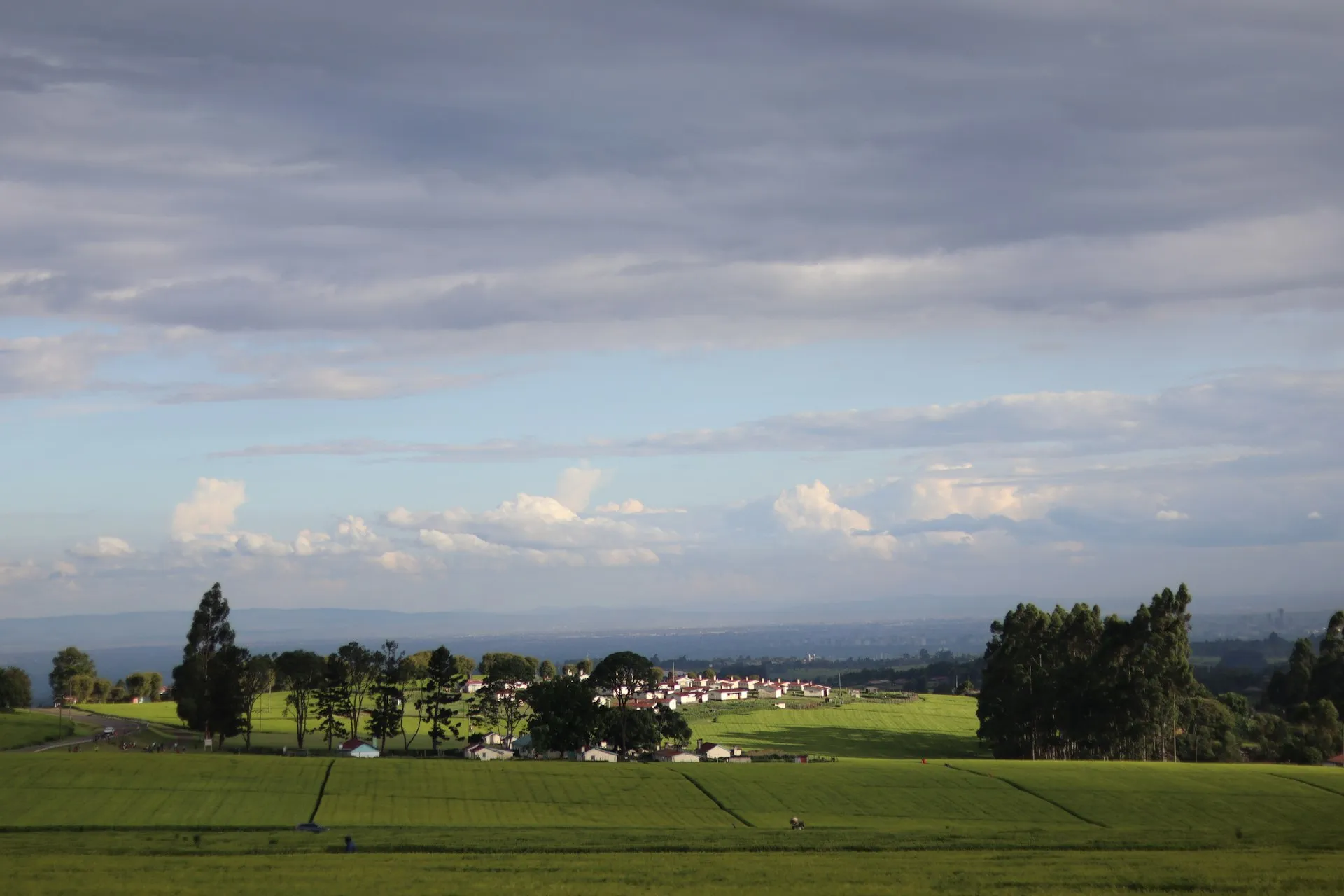
Technical support and model replication shared with a refugee-camp education partner, a refugee-camp program supporting 50 households, and a women-and-youth microfinance partner in the wider East African region.
8+ strategic partnerships — including systemic-change, Kibera-based, and advocacy organizations, an embassy connection, and a national teachers' association.
A planned Kenya–USA student environmental ambassadors exchange.
Be part of the loop