 Lishe Grow
Featured story
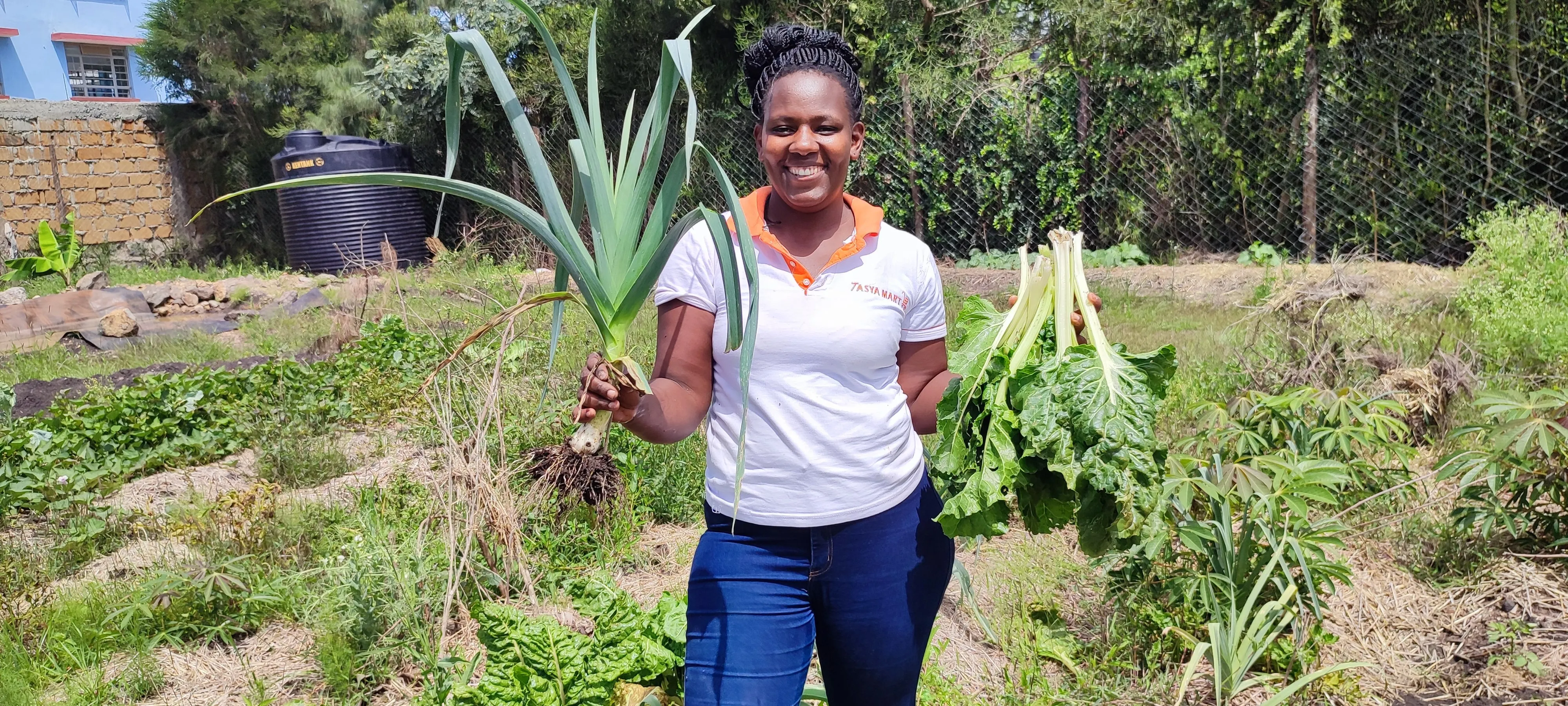
From a shared plot to a shop of her own.
Ruth joined a training cohort of ten women. She helped secure land for the group, grew staple crops for her household, and saved her way to a kiosk of her own.
Read Ruth's story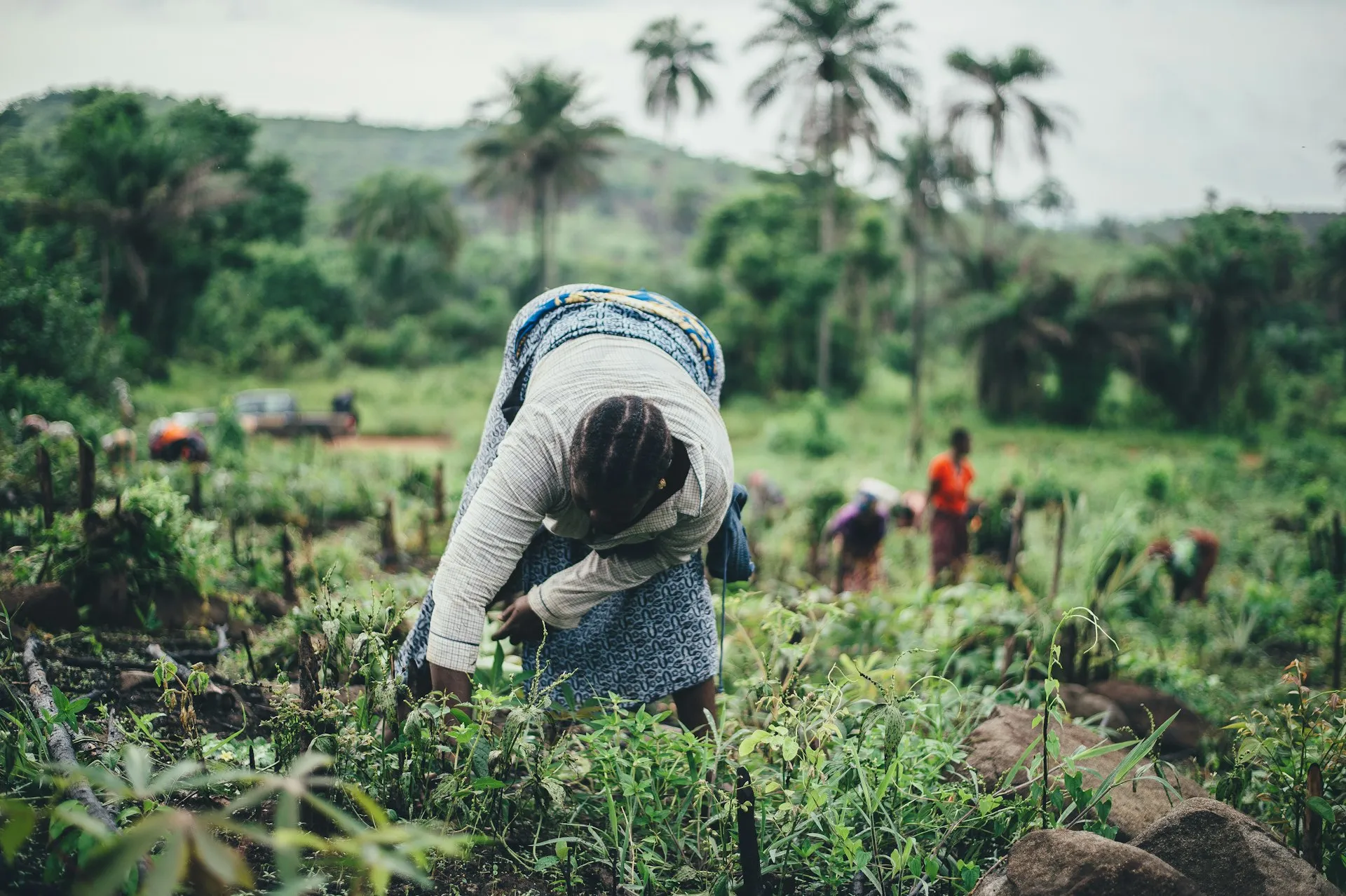
What we do
The Lishe Grow Project is one connected system, working across Kibera and Kenyan counties since 2020. Each part supports the next, so the work keeps growing after a season ends.
Since 2020
What the work has added up to across Kibera, partner schools, and women's cohorts.
More than 1.3 million nutritious meals supported since 2020.
The work
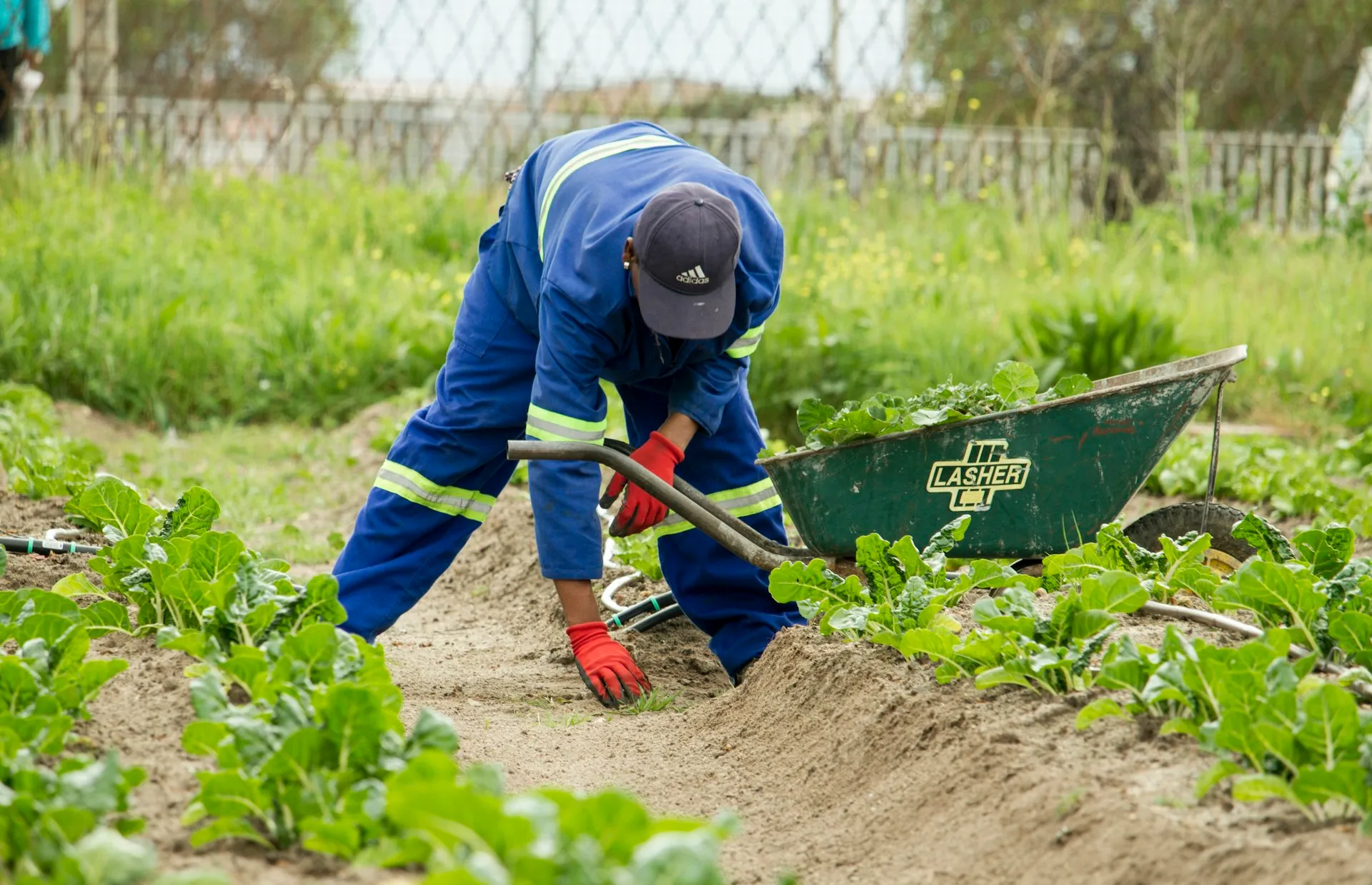
School and household hubs turn organic waste into the compost the gardens run on.
Climate-smart school and household gardens that keep producing through dry seasons.
Cohorts trained in growing and selling — each group goes on to train the next.
Partnerships that carry the model further and bring expertise and funding back in.
How it works
The project is built to multiply. Knowledge moves from one trained group to the next, so a single season of work keeps growing long after it ends.
A first cohort learns composting, climate-smart growing, and the basics of selling a surplus.
Hubs and gardens go in. Waste becomes compost; compost becomes food on the table.
The first cohort trains the second. Skills pass person to person, not top-down.
4K Clubs in schools keep the model alive across years and new groups of learners.
Numbers tell you whether the work happened. The gardens tell you whether it mattered.
Work with us